Introduction
Cervical spine pathologies
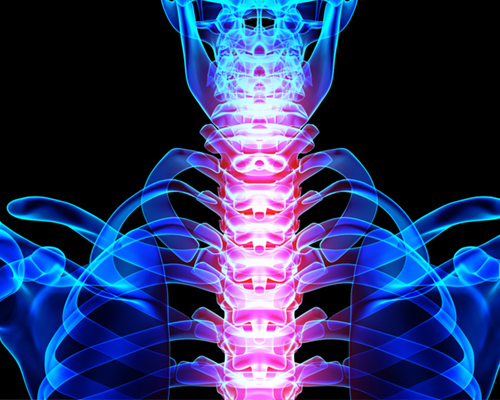
The cervical spine supports the head and protects the spinal cord. Neck pain, disc herniation, degenerative myelopathy and radicular syndromes are treatable with conservative or targeted surgical approach.
Techniques
Surgical and conservative techniques
MRI assessment, targeted physiotherapy, epidural infiltrations, surgical indication only in resistant cases.
Cervical spine anatomy
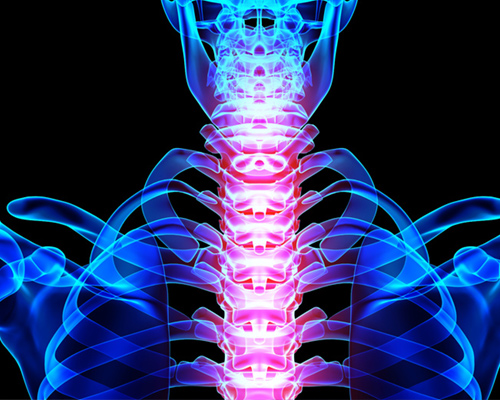
The human vertebral column consists of 33-34 vertebrae: 7 cervical, 12 thoracic, 5 lumbar, 5 sacral and 4-5 coccygeal. Each vertebra has a cylindrical body anteriorly and vertebral arches posteriorly. The arches bear two symmetrical lateral processes (transverse processes) and a posterior spinous process — the aggregate of which forms the spine. Spinal nerves run within the pedicles and give rise to spinal cord activity.
Cervical osteoarthritis and neck pain
Cervical osteoarthritis is caused by prolonged incorrect posture, trauma or insufficient physical activity. It can compress the vertebral artery — even with simple head rotation — causing vertigo, tinnitus and referred headaches. Improvement relies mainly on conservative treatment, guided exercise and precise posture instructions for daily life.
The information has educational value and does not replace specialist medical examination.
Book a visit